
How Mobile Money Changed Daily Life in Kenya
Key vocabulary
- transfer verb — To move money from one person or account to another.
- agents noun — People or shops that provide a service for a company.
- limited adjective — Not large in amount or number.
- financial adjective — Related to money and how it is managed.
- confirming verb — Checking or stating that something is correct or final.
Read the article
Think of sending money to a relative without a bank visit. In Kenya, phone payments are part of daily life for many people.
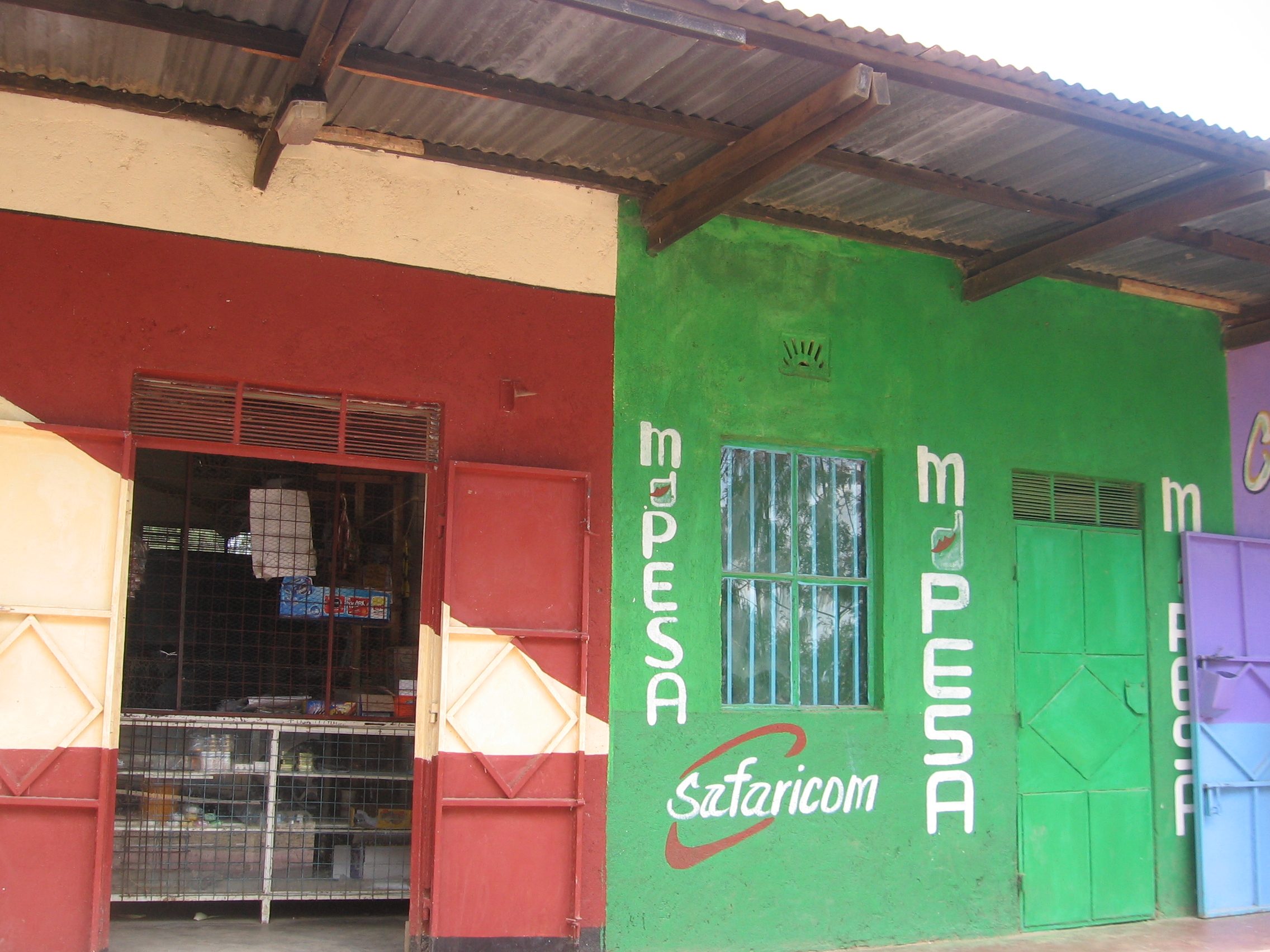
M-Pesa began in 2007. It lets users transfer money through their phones. People can send funds or get cash from local agents. [1]
Agents often work in small shops. A person adds money to an account. Then they send it to someone with a phone.
People also use mobile money to pay bills or buy goods. This can help when a family member lives far away. [2]
Some people have limited access to banks. Mobile money gives them a new way to pay. It is part of Kenya’s financial services. [2]
There are risks as well. Users must guard private data and check phone numbers. They should review fees before confirming a payment. [3]
This story shows how a common phone can change old habits. It also raises new questions about trust and cash.
Discussion questions
- How has paying for everyday items changed in your country?
- Why might mobile money be especially useful in rural areas?
- What should people check before sending money to someone?
- Would you trust a small shop to handle your money? Why?
- How might fewer cash payments affect older people?
Sources
Keep the conversation going
Want to practice speaking English with Brando? I offer group and one-on-one conversation lessons.
Start a Conversation →